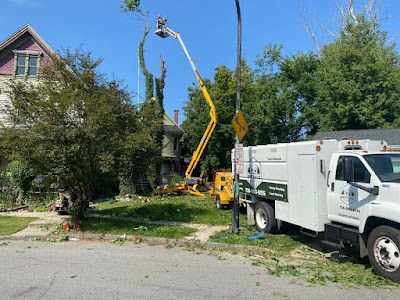
Lancaster, NY sits in Erie County, just east of Buffalo, where suburban neighborhoods blend into open farmland and older village streets. Areas near Central Avenue, Broadway, and the Town Park corridor often feature mature maples, oaks, spruces, and ornamental trees that have been part of the landscape for decades.
With Lake Erie’s weather influence nearby, Lancaster experiences fast-changing conditions. Calm days can shift into heavy wind, rain, or early snow with little warning. Because of this, trees in the area often show warning signs before storm season fully arrives.
Why Lancaster Trees Face Seasonal Pressure
Trees in Lancaster grow under a mix of suburban exposure and lake-influenced weather patterns. The region’s climate brings:
Strong lake-effect winds
Heavy snowfall in winter months
Wet spring soil conditions
Summer thunderstorms with sudden gusts
Rapid temperature changes between seasons
These shifting conditions affect how trees grow, how stable they are, and how they respond to stress over time.
Common local species include:
Sugar maple
Norway maple
Red oak
White ash (older stands)
Eastern white pine
Spruce and arborvitae in residential yards
Each species responds differently, but stress signs often appear in similar ways.
Early Leaf Changes Before Storm Season
One of the first signals property owners notice is subtle changes in the canopy.
Trees may show:
Leaves that are smaller than usual
Uneven color across branches
Early yellowing before fall season
Thin canopy sections on one side
In Lancaster, this often becomes visible after wet spring periods or during early summer heat waves when soil moisture shifts quickly.
Weak or Hanging Branches in Mature Trees
Before storm season, trees often reveal structural weaknesses in their branches.
Common signs include:
Limbs that hang lower than previous years
Small dead branches collecting in yards
Twigs breaking during light wind
Branches with no leaf growth during spring
Mature maples and oaks near residential streets often show these changes first due to long-term exposure to wind and road conditions.
Wind Stress From Lake-Influenced Weather
Lancaster’s proximity to Lake Erie plays a major role in wind patterns.
Seasonal wind can:
Push heavy branches toward homes or driveways
Cause repeated bending stress in tall trees
Break weakened limbs during sudden gusts
Shift soil slightly around shallow root systems
Spruce and pine trees in open yards are especially affected due to their height and surface area.
Root Stress After Wet and Dry Cycles
Soil conditions in Lancaster shift throughout the year, especially during spring thaw and summer dry periods.
Root stress may show as:
Slight leaning after storms
Raised soil around the base of trees
Exposed surface roots in older plantings
Decline in canopy density over time
Clay-heavy soil areas may hold water longer, which can affect oxygen flow to roots during wet seasons.
Bark and Trunk Changes That Signal Stress
Before storm season, trunk conditions can reveal deeper issues.
Watch for:
Vertical cracks along the trunk
Bark peeling or separating in sections
Darkened areas near the base
Sap or resin leakage in pines or spruce
These changes often indicate long-term stress rather than sudden damage.
Fungal Growth During Damp Seasons
Lancaster’s wet spring and early summer conditions often encourage fungal activity.
Homeowners may notice:
Mushrooms growing near tree bases
Shelf-like fungus on trunks
Soft wood near ground level
Repeated fungal growth in shaded areas
While not all fungi are harmful, their presence can signal excess moisture or internal decay.
Pest Activity in Weakened Trees
Stressed trees are more likely to attract pests common in Western New York, including:
Emerald ash borer in ash trees
Borers in weakened hardwoods
Scale insects on ornamental trees
Aphids during warm months
Pests often appear after environmental stress, especially following harsh winters or dry summers.
Storm Season Risks in Lancaster Neighborhoods
Before storm season fully begins, trees with hidden weaknesses become more vulnerable.
Risks include:
Branch failure during wind gusts
Trees leaning further after heavy rain
Limb drop onto roofs or driveways
Increased debris after storms
Neighborhoods with older tree growth often experience more visible storm-related tree issues.
What Homeowners Often Notice First
Most tree stress signs appear gradually and can be easy to overlook at first.
Early indicators include:
A tree looking “less full” than previous years
More small branches in the yard after wind
Uneven canopy shape on one side
Slower leaf growth in spring
These subtle changes often become more noticeable right before storm season begins.
Seasonal Pattern Awareness Matters
Each season in Lancaster adds a different type of stress:
Spring: soil saturation and root pressure
Summer: heat stress and storm winds
Fall: leaf drop reveals structure issues
Winter: snow and ice load on branches
Trees that look stable in one season may show weaknesses in another.
Closing Perspective
In Lancaster, NY, trees are shaped by shifting weather, lake-influenced wind patterns, and seasonal soil changes. While many trees appear stable year-round, small warning signs often develop before storm season arrives.
Noticing changes in leaves, branches, roots, and bark can help property owners better understand how trees are responding to environmental pressure. In a region where weather can change quickly, early observation often provides the clearest insight into future tree risks.
Get In Touch Today
Buffalo Tree Service
1560 Harlem Rd Suite 15, Buffalo, NY 14206, United States
(716) 803-8115

Write a comment ...