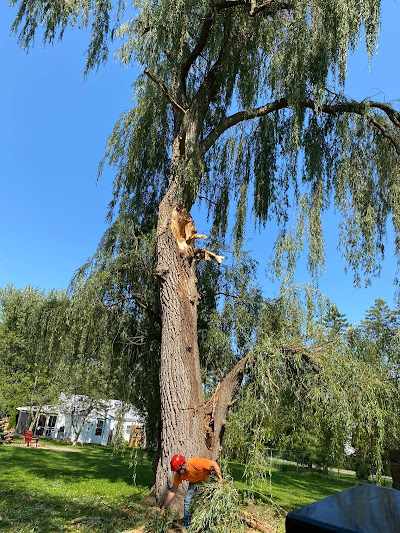
If you're a homeowner in Buffalo, NY, you've probably looked out your window at some point and wondered about that massive oak tree leaning a little too close to your house, or that dead maple that's been dropping branches all summer. Tree removal is one of those things nobody really wants to think about until it becomes absolutely necessary. And when that time comes, the first question on everyone's mind is usually the same: how much is this going to cost me?
Let's break down everything you need to know about tree removal costs right here in the Buffalo area, so you can plan accordingly and avoid any surprises when you get that estimate.
The Real Numbers: What Buffalo Homeowners Actually Pay
Here in Western New York, the average cost of tree removal typically ranges anywhere from $300 to $3,000, with most homeowners paying somewhere around $700 to $1,500 for a standard job. Now, I know that's a pretty wide range, and you're probably thinking, "That doesn't help me much!" But here's the thing: tree removal isn't a one-size-fits-all service. Every tree, every property, and every situation is different.
A small ornamental tree that's maybe 20 feet tall and sitting in your front yard with plenty of clearance? That might run you closer to that $300-$500 mark. But a massive 80-foot silver maple with branches hanging over your roof, power lines nearby, and limited access for equipment? You could be looking at $2,000 to $3,500 or even more. The price reflects the complexity, risk, and time involved in safely getting that tree down without damaging your property or anyone else's.
What Actually Drives the Cost Up or Down?
Understanding what factors affect the price can help you get a better sense of what your specific situation might cost. Let me walk you through the main considerations that professional tree services look at when they're putting together your estimate.
Tree Size Makes a Huge Difference
This is probably the most obvious factor, but it's worth explaining why size matters so much. A small tree under 30 feet tall is relatively straightforward to remove. The crew can often fell it in one piece if there's enough space, or take it down in just a few cuts. This might take a crew a couple of hours from start to finish.
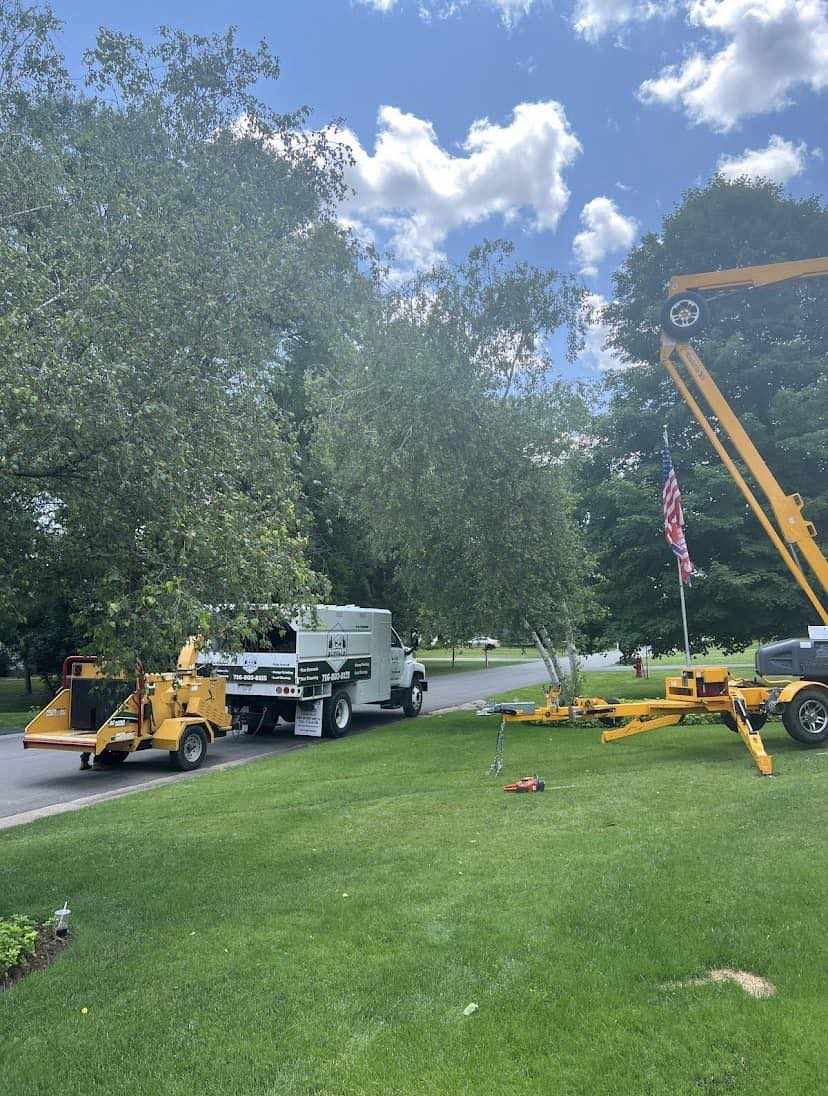
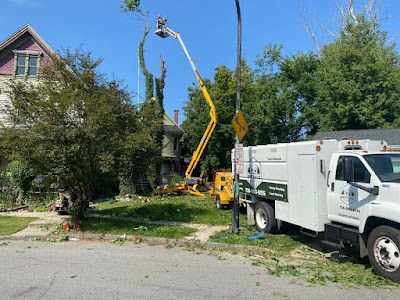
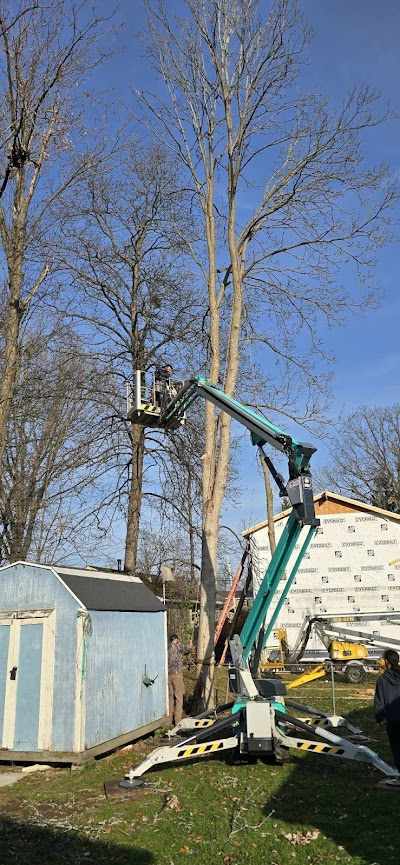
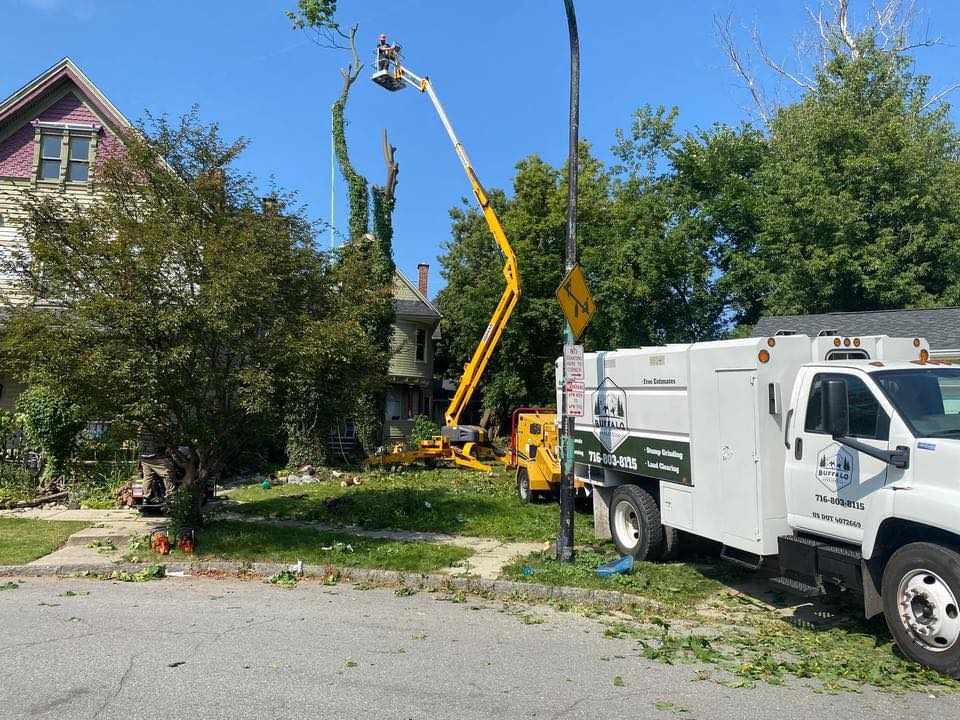
Medium-sized trees between 30 and 60 feet require more planning and careful sectioning. The crew needs to climb or use bucket trucks to access the upper portions, carefully lowering sections to avoid damage to your yard, fence, or nearby structures. This could take half a day or more.
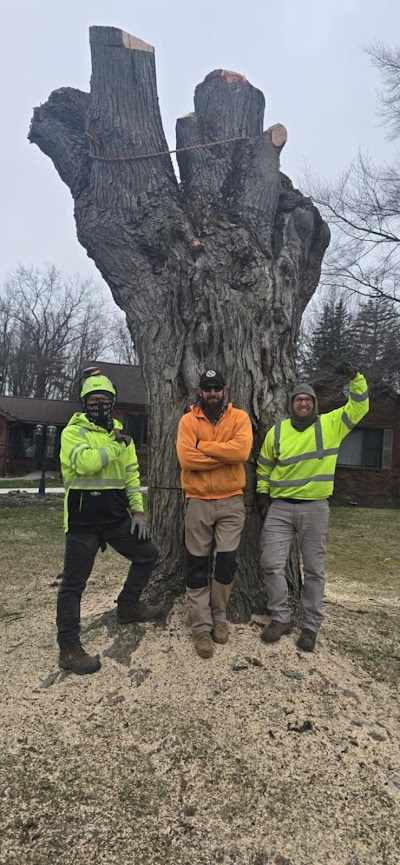
Large trees over 60 feet tall are where things get really involved. We're talking about trees that have been growing for decades, with massive trunks and sprawling canopies. These require experienced climbers, specialized rigging equipment, and sometimes even cranes for the really big ones. A single large tree removal can easily take a full day or longer, which naturally affects the cost.
Location, Location, Location
Where your tree is located on your property matters just as much as how big it is. A tree out in the open area of your backyard with nothing around it? That's the easiest scenario and will cost less because there's minimal risk and plenty of room to work.
But if your tree is squeezed between your house and your neighbor's fence, with power lines running overhead and a garden shed underneath? That's a completely different story. The crew has to carefully rig every single piece to prevent damage, work around obstacles, and possibly even bring in specialized equipment. This precision work takes more time, requires more skill, and yes, costs more money.
Here in Buffalo, many of our beautiful older neighborhoods have mature trees planted close to homes, sometimes right up against the foundation. These situations require extra care and often mean the difference between a $800 job and a $2,000 job.
The Condition of Your Tree
A healthy tree that's being removed for landscaping purposes or because it's planted in the wrong spot is actually easier to work with than a dead or dying tree. Healthy wood is predictable and strong, which means climbers can safely ascend and rigging points will hold.
Dead trees are a different beast entirely. The wood is brittle and unpredictable. Branches that look solid might snap under a climber's weight. Rigging points that should hold might fail without warning. Dead trees require extreme caution, additional safety measures, and often more time to remove safely. This is especially common with ash trees in our area due to the emerald ash borer epidemic we've been dealing with.
If your tree has obvious decay, hollow sections, or significant structural issues, expect the removal cost to be on the higher end because of the added complexity and risk involved.
Access for Equipment
Can a bucket truck or crane get to your tree, or is it tucked away in a backyard that can only be accessed through a narrow side yard? Equipment access is a massive factor in pricing. When crews can use bucket trucks or other machinery, the work goes faster and safer. When they can't, everything has to be done with climbers and ropes, which is more labor-intensive and time-consuming.
Some Buffalo properties, especially in older neighborhoods like Elmwood Village or North Buffalo, have challenging access situations. Narrow driveways, tight gates, and established landscaping can all limit how close equipment can get to the work area.
Emergency Situations
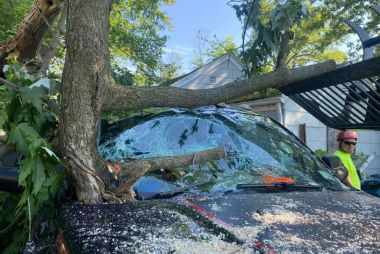
Nobody wants to deal with a tree emergency, but Buffalo's weather can be unforgiving. We get serious ice storms, high winds, and heavy snow that can cause trees or large branches to fail without warning. When a tree comes down on your house, across your driveway, or is dangerously hanging and threatening to cause damage, you need help immediately.
Emergency Tree Service calls typically cost more than scheduled removals because crews are dropping everything to respond to your situation, often working outside normal business hours, in challenging weather conditions, and dealing with hazardous scenarios. However, when you need it, emergency service is absolutely worth the premium to protect your property and family.
The Hidden Costs: What Else Should You Budget For?
When you're planning for tree removal, the cutting and hauling away of the tree itself is just part of the equation. There are a few other services you might need or want to consider.
Stump Removal and Stump Grinding
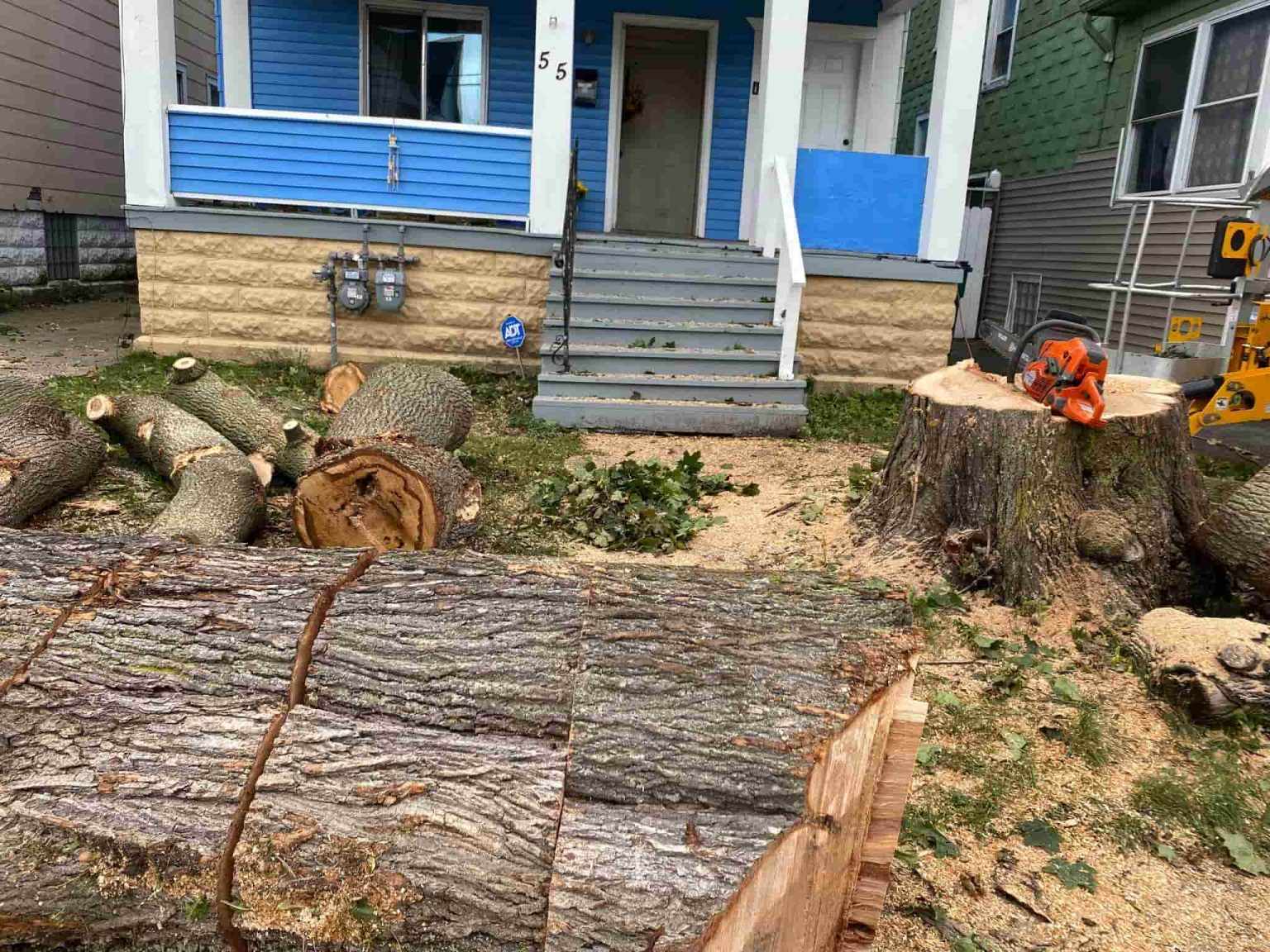
After the tree is gone, you're left with a stump, and most tree removal quotes don't automatically include stump removal unless specifically stated. You have a couple of options here. You can leave the stump and work around it, let it slowly decompose over several years, or have it professionally removed.
Stump Grinding is typically the more affordable option, where the stump is ground down below ground level, usually 6-12 inches deep. This leaves the roots in place but eliminates the visible stump and allows you to plant grass or other vegetation over the area. In Buffalo, stump grinding usually costs between $100 and $400 depending on the stump's diameter and how many stumps you need done.
Complete stump removal, where the entire stump and major roots are excavated, is more intensive and costs more, but it's sometimes necessary for construction projects or if you want to replant a tree in the exact same spot.
Dealing with the Wood and Debris
Most professional services include hauling away all the debris as part of their standard pricing, but it's always good to confirm this upfront. Some homeowners who heat with wood actually want to keep the logs for firewood, which can sometimes reduce the overall cost since the company doesn't have to haul everything away.
If you have a large tree removed and want to keep some of the wood for lumber or other projects, discuss this with your tree service beforehand. They can often cut the trunk into manageable sections for you.
Permit Requirements
In most cases within Buffalo, you don't need a permit to remove a tree on your own private property. However, there are some exceptions. If you live in a historic district, if your tree is designated as significant or protected, or if it's very close to the property line, you might need approval from the city. Heritage trees and certain large specimens in some neighborhoods have additional protections.
Your tree service professional should be familiar with local regulations and can advise you if permits are necessary for your specific situation. At Buffalo Tree Service, we help homeowners navigate these requirements when they apply.
Why the Cheapest Quote Isn't Always the Best Deal
When you're getting estimates for tree removal, you'll probably notice some variation in pricing between companies. It can be tempting to automatically go with the lowest number, especially if money's tight. But here's something important to consider: tree removal is inherently dangerous work, and the quality of the company you hire really matters.
A legitimate, professional tree service carries proper insurance, including liability coverage and workers' compensation. They employ trained, experienced climbers and ground crew. They maintain their equipment properly and follow industry safety standards. All of this costs money, which is reflected in their pricing.
Companies that dramatically undercut everyone else are often cutting corners somewhere. Maybe they don't have insurance, which means if someone gets hurt on your property or your house gets damaged, you could be liable. Maybe they're using inexperienced workers or poorly maintained equipment. Maybe they're planning to take the money and disappear halfway through the job, leaving you with a partially removed tree and a huge mess.
I've seen homeowners save a few hundred dollars upfront only to spend thousands more fixing damage that occurred because they hired an uninsured, inexperienced crew. Discover more about what separates professional tree services from the fly-by-night operators, and always verify that whoever you hire has proper credentials and insurance before they start work.
Getting the Most Value from Your Tree Removal
While you shouldn't choose based solely on price, there are legitimate ways to manage your tree removal costs without compromising on quality or safety.
Timing Can Make a Difference
Tree removal companies tend to be busiest in spring and after major storms. If your tree removal isn't urgent, scheduling during the slower winter months (when weather permits) or late fall can sometimes result in better pricing or more flexible scheduling. Just keep in mind that some work can't be done when the ground is frozen or when conditions are too hazardous.
Bundle Multiple Services
If you have several trees that need attention, or if you need Tree Trimming on some trees and removal on others, having all the work done at once is almost always more cost-effective than scheduling separate visits. The crew is already there with all their equipment, so the per-tree cost goes down.
Consider the Full Package
When comparing quotes, make sure you're comparing apples to apples. Does the estimate include complete cleanup and hauling? What about stump grinding? Will they fill in the hole where the stump was? Understanding exactly what's included helps you make a true cost comparison between different companies.
What Makes Buffalo Tree Removal Unique?
Living in Western New York means dealing with specific challenges that affect both our trees and the cost of removing them. Our freeze-thaw cycles are tough on trees, causing stress that can lead to structural problems over time. The heavy snow loads we get can break branches or even split entire trees. Ice storms, like the ones we remember all too well, can devastate entire neighborhoods worth of trees overnight.
Buffalo's tree population has also been significantly impacted by the emerald ash borer, an invasive pest that's killed millions of ash trees across our region. Many Buffalo homeowners are facing the difficult decision of when to remove ash trees that are dead or dying from this infestation. These compromised trees can be particularly hazardous and often require careful removal by experienced professionals.
Our urban forest includes many large, mature trees that are absolutely beautiful but sometimes outgrow their locations or develop problems as they age. The silver maples, oaks, and elms that line our streets and shade our homes are part of what makes Buffalo neighborhoods so charming, but they require knowledgeable care and sometimes difficult decisions about removal.
How to Choose the Right Tree Service Company
When it's time to hire someone for tree removal, you want to work with a trusted local company that knows Buffalo's trees, understands our weather challenges, and has the experience to handle whatever your situation requires.
Start by asking friends, neighbors, and family for recommendations. Word of mouth from people you trust is invaluable. Check online reviews, but read them carefully and look for patterns rather than focusing on individual complaints or praise.
When you contact companies for estimates, ask about their experience, insurance, and certifications. A professional tree service should be happy to provide proof of insurance and discuss their qualifications. They should offer to come to your property for a free estimate rather than trying to quote over the phone without seeing the tree.
During the estimate, a good arborist or tree service professional will take time to assess your tree, discuss your options, explain the process they'll use, and answer all your questions. They shouldn't pressure you to make an immediate decision or ask for large deposits upfront.
At Buffalo Tree Service, we've been serving homeowners throughout the Buffalo area with honest, professional tree care for years. We're fully insured, our crews are experienced and trained, and we take pride in treating every property like it's our own. Whether you need emergency response for a tree that's come down in a storm, routine Tree Removal for a problematic tree, or any of our other services, we're here to help with transparent pricing and quality workmanship.
The Bottom Line on Buffalo Tree Removal Costs
So, what's the average cost of tree removal in Buffalo, NY? For most standard residential tree removals, you're looking at somewhere between $700 and $1,500, but your specific cost depends on your tree's size, location, condition, and accessibility, plus any additional services like stump grinding you might need.
Rather than focusing solely on getting the lowest possible price, think about getting the best value, which means hiring qualified professionals who will do the job safely, completely, and without damaging your property. A few hundred dollars difference in price is meaningless if you end up with damage to your home, injured workers filing claims against your homeowner's insurance, or a half-finished job.
If you have a tree that needs attention, don't put it off too long, especially if it shows signs of disease, decay, or structural problems. Trees don't get better on their own, and waiting often means the problem becomes more expensive and dangerous to address.
Need an honest assessment and fair estimate for tree removal at your Buffalo property? Give Buffalo Tree Service a call at (716) 803-8115. We'll come take a look, discuss your options, and provide you with a clear, detailed estimate so you know exactly what to expect. We're your neighbors here in Buffalo, and we're committed to keeping our community's homes and families safe with professional, reliable tree care services you can count on.
Contact Us Today
Buffalo Tree Service
1560 Harlem Rd Suite 15, Buffalo, NY 14206, United States
(716) 803-8115
Write a comment ...