
The area around Lancaster Lighthouse reflects much of what makes Lancaster County appealing. Mature neighborhoods, established properties, open green spaces, and tree-lined streets create a landscape that changes beautifully with the seasons. Large oaks, maples, pines, and ornamental trees provide shade in summer and vibrant color during the fall.
For many homeowners, one question comes up repeatedly: should a tree be trimmed, or is removal the better option?
The answer depends on the tree's condition, location, and long-term health. Understanding the difference can help property owners make informed decisions while preserving the character of their landscape.
Why This Decision Matters
Trees are often among the largest living features on a property.
A healthy mature tree can:
Provide shade
Reduce wind exposure
Improve privacy
Support local wildlife
Add visual appeal
At the same time, damaged or declining trees can create concerns when severe weather arrives. Lancaster County experiences thunderstorms, heavy rain, occasional ice storms, and strong seasonal winds that can expose hidden weaknesses.
Knowing when trimming is enough and when removal may be necessary helps reduce risk while maintaining valuable trees whenever possible.
When Tree Trimming May Be the Better Choice
Many tree problems can be addressed through trimming rather than removal.
Trimming is often used when a tree is generally healthy but has specific issues such as:
Dead branches
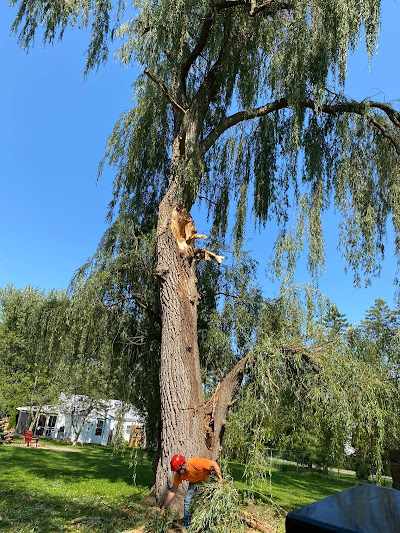
Storm-damaged limbs
Branches growing too close to structures
Overcrowded canopy growth
Low-hanging limbs above driveways or walkways
Mature oaks and maples common around Lancaster Lighthouse often benefit from selective pruning that improves structure and reduces stress on heavy limbs.
In many cases, removing a few problematic branches allows the tree to remain healthy and continue growing for years.
When Tree Removal Becomes Necessary
Not every tree can be preserved.
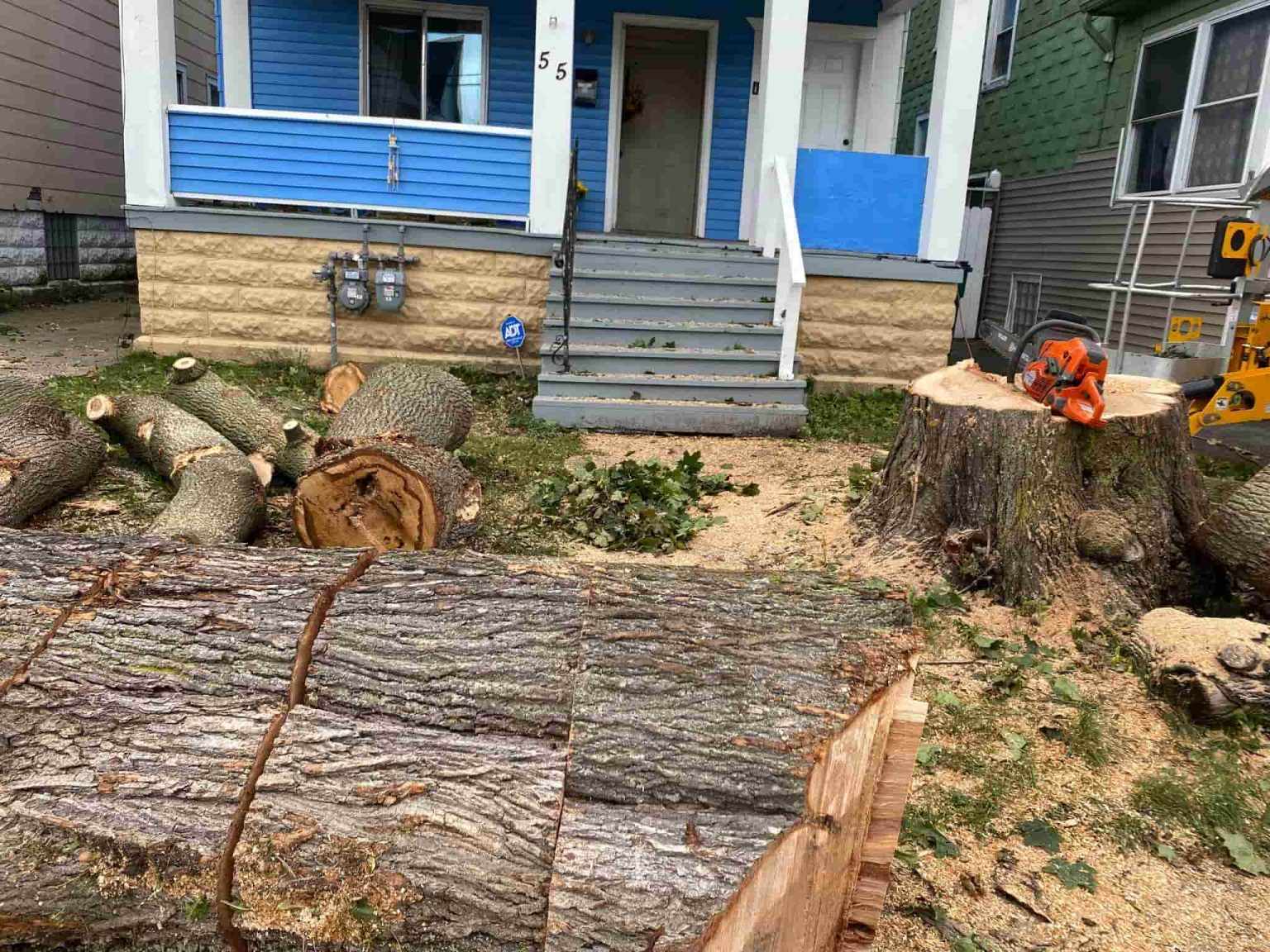
Removal is sometimes considered when a tree has significant structural or health-related problems.
Common reasons include:
Severe trunk decay
Extensive root damage
Large cavities
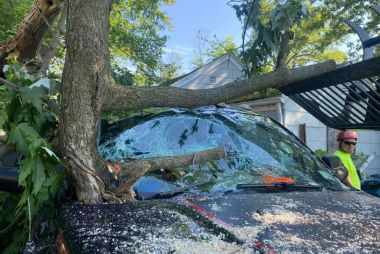
Major storm damage
Significant leaning caused by instability
Advanced disease
A tree may continue producing leaves even when serious internal problems are developing. This is why outward appearance alone does not always tell the full story.
Common Tree Issues in Lancaster County
Several local factors influence tree health in the region.
Homeowners may encounter:
Fungal decay in older trees
Root stress from changing soil conditions
Storm-related branch damage
Insect activity affecting weakened trees
Ice accumulation during winter weather
Certain species face additional concerns. Ash trees, for example, have been heavily impacted by emerald ash borer throughout Pennsylvania.
Older trees near homes often require closer observation because years of weather exposure can gradually weaken their structure.
Warning Signs Property Owners Should Watch For
Whether considering trimming or removal, homeowners should pay attention to signs such as:
Dead branches throughout the canopy
Cracks in major limbs
Mushrooms near the trunk base
Sudden leaning
Hollow sections of the trunk
Sparse leaf growth in portions of the canopy
These indicators do not automatically mean removal is necessary, but they may suggest that the tree is experiencing stress or decline.
The Role of Seasonal Weather
Lancaster County's weather patterns affect trees throughout the year.
Spring storms can weaken limbs. Summer thunderstorms may expose structural defects. Fall winds place pressure on aging branches, while winter snow and ice add significant weight to canopies.
A tree that appears stable during calm weather may respond differently during severe conditions.
This is why evaluating both current health and future risk is important when deciding between trimming and removal.
Final Thoughts
The mature trees surrounding Lancaster Lighthouse contribute greatly to the area's beauty and character. In many situations, trimming can address specific concerns while preserving a healthy tree. In other cases, extensive decay, structural instability, or severe damage may make removal the safer option.
Every tree ages differently, and the right decision often depends on a combination of health, location, species, and weather exposure. By understanding the differences between tree trimming and tree removal, homeowners can better evaluate the condition of their landscape and make practical choices that support both safety and long-term property care.
Learn more about common tree health concerns in Lancaster County and how seasonal weather can influence decisions about trimming, maintenance, and removal.
Buffalo Tree Service
1560 Harlem Rd Suite 15, Buffalo, NY 14206, United States
(716) 803-8115
https://buffalo-tree-service.com/tree-service-near-lancaster-lighthouse/

Write a comment ...