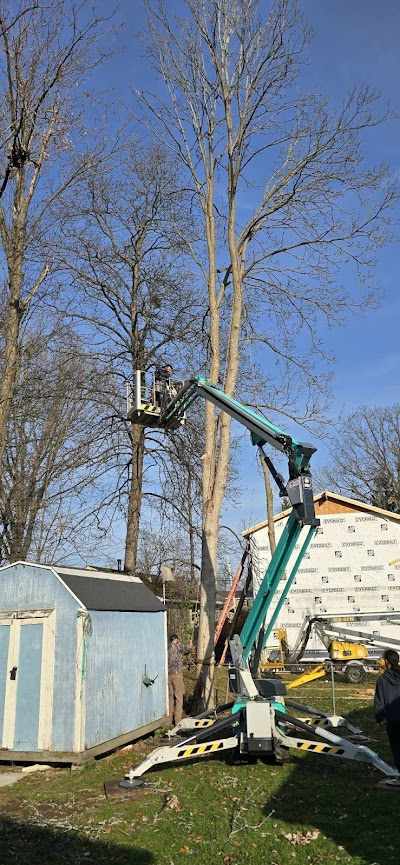
When a storm rolls through Buffalo, NY, with its heavy snow, strong winds, or ice, it’s not uncommon for homeowners to wake up to a fallen tree or large branches scattered across the yard. Beyond the inconvenience, it immediately raises one major question: who is responsible for removing a tree that falls on your property?
It’s a stressful situation—especially when property damage or neighbor disputes are involved—but understanding your responsibilities (and your rights) can make all the difference. Let’s break it down clearly and practically, so you’ll know exactly what to do if this happens to you.
Understanding Tree Ownership and Responsibility
The first step in determining who is responsible comes down to ownership. In Buffalo, NY, property lines usually dictate tree ownership. If the base of the tree—or its trunk—is entirely on your property, you’re the owner. If it’s on your neighbor’s side, they’re the owner.
But here’s where things get complicated: what happens if that tree falls onto your property during a storm?
Scenario 1: The Tree Was Healthy and Fell Due to Natural Causes
If a healthy tree falls because of wind, ice, or any natural event (often referred to as an “Act of God”), the property owner where the tree lands is typically responsible for cleanup.
In other words, if your neighbor’s tree falls on your property due to a blizzard or high winds, it becomes your responsibility to remove it and handle any repairs.
This rule might sound unfair, but it’s how most insurance companies and municipalities—including those in Buffalo—approach these incidents. The logic is simple: no one can predict nature, so each homeowner manages the debris that lands on their own property.
Scenario 2: The Tree Was Dead, Diseased, or Neglected
This is where the rules shift. If your neighbor’s tree was clearly dead, diseased, or dangerously leaning, and you can prove they ignored it, then your neighbor may be held responsible for the damage.
In such cases, documentation is key. Take photos, keep written communication (emails or texts) if you’ve previously warned your neighbor, and contact your insurance company immediately.
If your insurer finds that your neighbor was negligent, they may seek reimbursement from your neighbor’s insurance.
Scenario 3: Shared Trees (Straddling Property Lines)
If the trunk of the tree sits right on the property line, the law often considers it a shared tree, meaning both neighbors share ownership and responsibility.
When such a tree falls, both parties typically share the cost of removal and any associated cleanup. In these situations, cooperation and open communication are your best tools to avoid disputes.
What Homeowners Insurance Covers
Homeowners in Buffalo often turn to their insurance company right after a tree falls—but coverage depends on the specifics.
Here’s a quick breakdown:
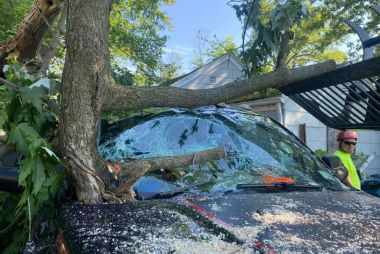
If the fallen tree damages a covered structure (like your house, fence, or garage), your insurance will usually pay for removal and repairs.
If the tree doesn’t damage anything and simply lands in your yard, your insurance may not cover removal unless it’s blocking a driveway or an access point.
If it’s a neighbor’s tree but falls onto your property, your insurance typically covers your damage first, then possibly recovers costs later through subrogation if negligence is proven.
Buffalo homeowners should review their policies regularly and clarify what is—and isn’t—covered when it comes to fallen trees. With our region’s unpredictable weather, it’s better to understand your coverage before you need it.
Steps to Take Immediately After a Tree Falls
When a tree falls, quick action can save you time, money, and stress. Here’s what to do:
Ensure safety first.
Stay clear of the area if power lines are involved. Call your utility company and emergency services immediately.Document everything.
Take photos and videos from multiple angles. This evidence can help with insurance claims or neighbor disputes later.Contact your insurance provider.
Notify them about the situation and provide details and photos. They’ll explain what’s covered and guide you on next steps.Hire a professional service.
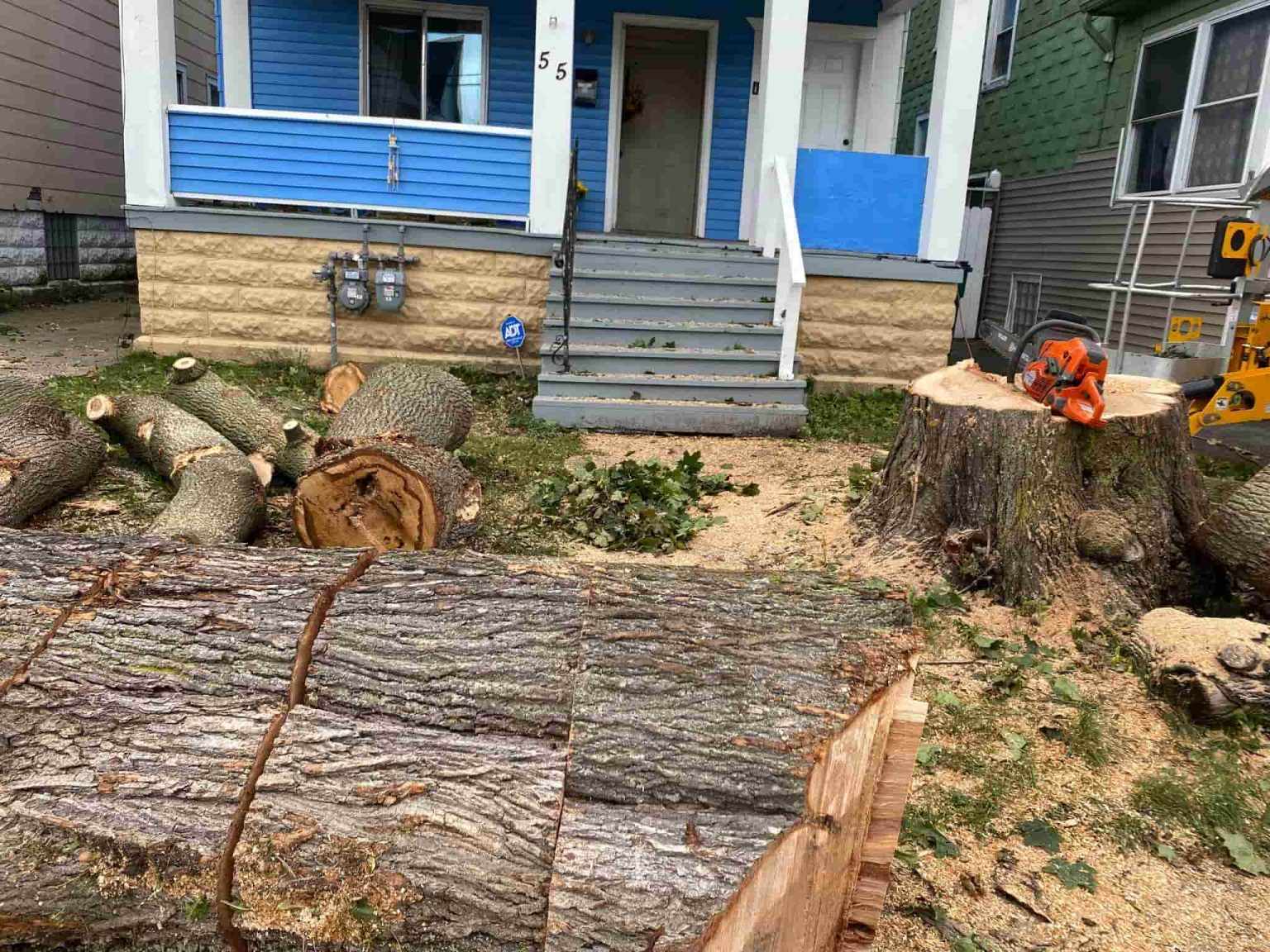
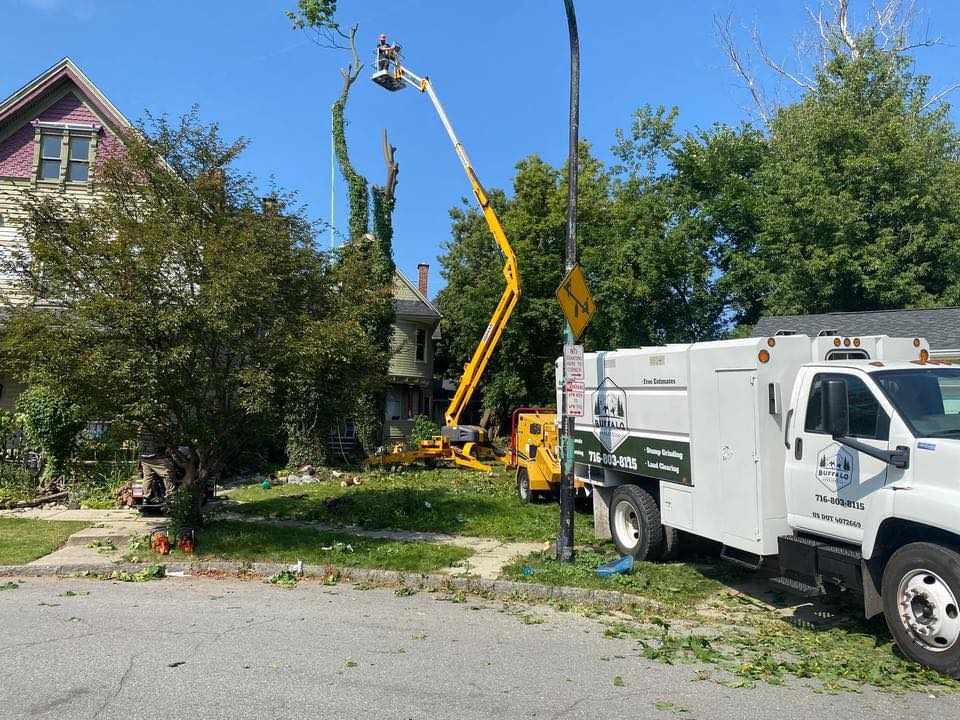
Fallen trees can be heavy, unstable, and dangerous to handle without proper equipment. Calling a professional service like Buffalo Tree Service ensures safe and efficient removal.Our team specializes in tree removal, emergency tree services, and stump grinding, helping Buffalo homeowners handle fallen trees safely and responsibly.
Neighbor Disputes: How to Handle Them Calmly
Tree-related disputes between neighbors can quickly become emotional, especially when property damage is involved. The key is to remain calm, document the issue, and communicate respectfully.
Here are a few tips to keep things civil:
Start with a conversation. Let your neighbor know what happened and show them the damage. Most people are reasonable once they understand the situation.
Avoid threats or accusations. Keep things factual and polite.
If needed, involve your insurance companies. They often handle communication between neighbors professionally.
Consult local laws or mediation services. The City of Buffalo’s property line and tree ownership rules are well-defined, and local mediators can help if things escalate.
If you want to learn more about handling such issues effectively, you can Read more.
What About Trees That Fall Onto the Street or Sidewalk?
If a tree from your property falls onto a public road or sidewalk in Buffalo, the city usually requires you to clear it, especially if it’s your private tree. However, if it’s a city-owned tree—typically one planted in the right-of-way (the area between the sidewalk and the street)—you should contact Buffalo’s Department of Public Works, Parks, and Streets (DPW) to report it.
In such cases, the city will handle removal since those trees are part of the municipal urban forest.
Preventing Problems Before They Happen
While you can’t control Buffalo’s unpredictable weather, you can reduce the chances of a tree falling with regular maintenance. Here’s how:
Schedule annual inspections with an Arborist. Certified Arborists can spot signs of disease, decay, or root instability early on.
Trim trees regularly. Removing dead branches and thinning dense canopies prevents stress and reduces the risk of storm damage.
Watch for warning signs. Cracks in the trunk, leaning trees, or fungi at the base can all signal trouble.
Remove hazardous trees early. If a tree poses a safety risk, removing it before winter storms hit can save you thousands in future damage.
Buffalo Tree Service offers tree trimming, tree removal, and stump grinding throughout the Buffalo area. Our team combines experience with care to help keep your trees healthy and your property safe year-round.
Why Hire a Professional for Fallen Tree Removal
Fallen trees can be unpredictable. Even if it looks simple to cut and move, there are risks involved—especially with large or partially uprooted trees.
Hiring a local tree service company ensures the job is handled safely, efficiently, and in compliance with city regulations. A professional service will:
Use specialized equipment to prevent further property damage.
Remove debris safely without harming surrounding structures or landscaping.
Grind or remove stumps completely to restore your yard.
Provide emergency response when trees fall unexpectedly.
At Buffalo Tree Service, we pride ourselves on being a trusted local company serving homeowners throughout Buffalo, NY. Whether it’s a small cleanup or an emergency situation, we’re available 24/7 to help restore safety and peace of mind.
The Cost of Tree Removal in Buffalo, NY
The cost of tree removal depends on several factors, including the tree’s size, location, and complexity of the removal. On average, Buffalo homeowners can expect:
Small trees (under 30 feet): $200 – $400
Medium trees (30–60 feet): $400 – $800
Large trees (over 60 feet): $800 – $1,500 or more
Emergency tree removal: May cost extra depending on timing and accessibility
While these are general ranges, each situation is unique. Trees entangled with power lines or leaning over structures typically require more time and equipment, which can raise costs.
If you’re unsure what you’ll need, our team at Buffalo Tree Service provides free estimates and can help you understand the safest, most cost-effective options for your situation.
Final Thoughts
Dealing with a fallen tree isn’t just about cleanup—it’s about understanding responsibility, safety, and the importance of prevention. Whether it’s your tree or a neighbor’s, knowing how to handle the situation calmly and responsibly can save you time, money, and headaches.
In Buffalo, NY, the rules are clear: you’re generally responsible for what lands on your property, unless negligence is involved. But when it comes to safety, you never have to face it alone.
If you’re ever unsure or need help, Buffalo Tree Service is here to lend a hand. Our team of experienced professionals provides safe, reliable tree removal and emergency services across the Buffalo area.
Contact us today
Buffalo Tree Service
1560 Harlem Rd Suite 15, Buffalo, NY 14206, United States
(716) 803-8115
Write a comment ...